When Your Sharpest Employee Becomes Your Newest Competitor
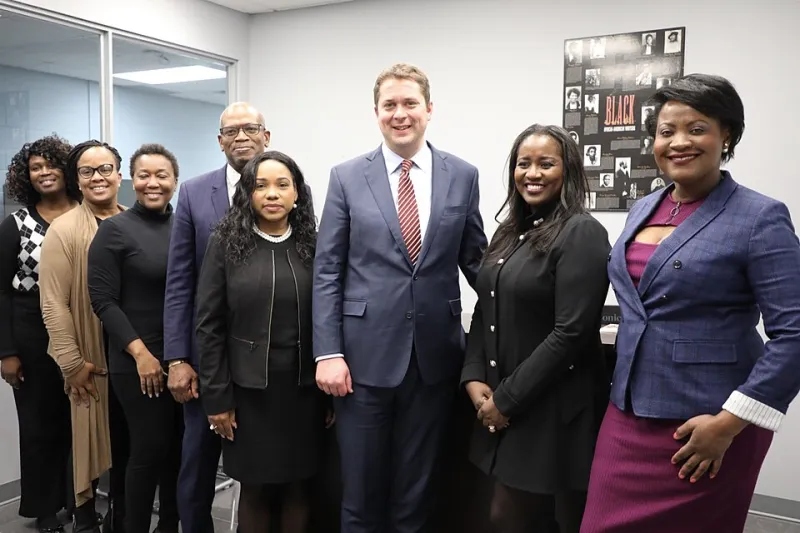
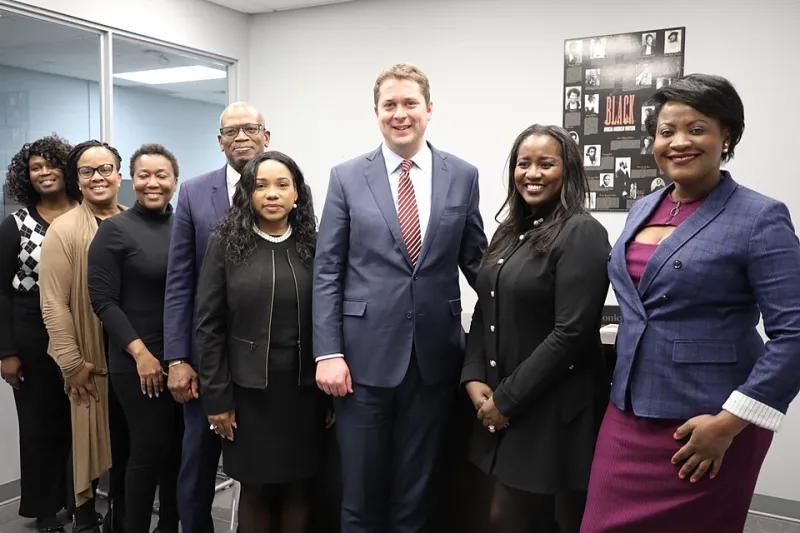
Photo: Andre Forget Andrew Scheer, CC0, via Wikimedia Commons
It starts the same way every time. You invest months — sometimes years — into a talented team member. You mentor them, advocate for them, give them real responsibility. Then one afternoon they slide into your DMs or knock on your office door with that look you've come to recognize. They're leaving. Not for another job. To start their own thing.
For Black business owners, this moment hits different. You built your company partly because you were that person once — the one who got tired of waiting for a seat at the table and decided to build their own. So there's pride mixed in with the frustration. But pride doesn't fill an open role, and it doesn't replace the institutional knowledge walking out the door.
This is the Black business brain drain — and it's accelerating.
The Numbers Behind the Movement
Black entrepreneurship has been on a sustained upward climb. The number of Black-owned employer businesses grew significantly in the post-pandemic period, with many founders citing professional frustration, racial bias in corporate environments, and the inspiration of seeing other Black entrepreneurs succeed as primary motivators.
But here's the layer that doesn't get talked about enough: it's not just corporate America losing talent. Black-owned businesses — especially those that have reached a level of stability and structure — are becoming training grounds for the next wave of founders. The employees who get the most hands-on experience, the most mentorship, the most exposure to real business operations? They're often the ones most equipped to go out and replicate it.
That's not a coincidence. That's a pipeline.
Why They're Leaving (And It's Not Always About Money)
Talk to former employees-turned-founders and a few themes keep coming up.
Ownership is the ceiling breaker. Marcus, who left a senior role at a Black-owned marketing agency in Atlanta to launch his own consultancy, puts it plainly: "I wasn't underpaid. I wasn't mistreated. But I could see the ceiling. Building someone else's client roster while my name wasn't on the door stopped making sense to me after a while."
The pandemic rewired people's sense of risk. COVID-19 forced a massive reassessment of what stability actually means. A paycheck from someone else's business started looking a lot less secure when entire industries collapsed overnight. For many Black professionals, that moment cracked open the entrepreneurial door.
Representation works — sometimes too well. Watching other Black business owners succeed is inspiring, but it's also instructive. Social media, platforms like BlackBizList, and a growing ecosystem of Black entrepreneurship resources have made launching a business feel more achievable than ever. When your former coworker is thriving on their own, the calculus changes.
Bias doesn't disappear inside Black-owned businesses. This one is harder to say out loud, but it's real. Some employees leave because of colorism, gender dynamics, or nepotism within Black-owned firms. The dream and the reality don't always match, and some talented folks exit not toward something, but away from something.
The Real Cost of Losing Them
The financial hit of turnover is well-documented — replacing a mid-level employee can cost anywhere from 50% to 200% of their annual salary when you factor in recruiting, onboarding, and lost productivity. For small and mid-sized Black-owned businesses operating on tighter margins, that's not just painful. It can be destabilizing.
But the cost goes beyond dollars. When a key employee leaves to start their own business, they often take client relationships, vendor contacts, and operational knowledge with them. In some cases, they become direct competitors. The community is small. The market overlap is real.
What Retention Actually Looks Like Without a Corporate Budget
Here's the truth: you probably can't out-salary Google. You can't match the benefits package of a Fortune 500. But Black business owners have something those companies will never have — and that's the thing worth leaning into hard.
Equity and ownership stakes. If someone is performing at a level that makes you nervous about losing them, it's worth asking whether they should have skin in the game. Profit-sharing, phantom equity, or actual ownership percentages can fundamentally change how an employee sees their future at your company. They stop being an employee and start being a partner.
Transparent growth paths. Ambiguity kills retention. If your best people don't know what their trajectory looks like inside your company, they'll start drawing their own map — and it might lead somewhere else. Regular, honest conversations about where someone is headed, what they need to get there, and what the company's growth plans are can make a bigger difference than a raise.
Mentorship with teeth. Lots of business owners say they mentor their employees. Fewer actually do it in ways that feel meaningful. Real mentorship means access — to your network, to your decision-making process, to the messy parts of running a business that most employees never see. When people feel like they're learning something they can't get anywhere else, they stay.
Flexibility and autonomy. Black professionals have often spent years in environments where they were micromanaged, underestimated, or both. If your workplace replicates that energy, you've already lost. Giving talented people real autonomy — the ability to own projects, make decisions, and build something — scratches the entrepreneurial itch without requiring them to quit.
Create internal ventures. Some forward-thinking Black business owners are experimenting with letting high-performers incubate ideas within the company. A new service line, a spin-off brand, a new market segment — these can give entrepreneurially-minded employees a way to build without burning down what you've created together.
The Flip Side: When the Brain Drain Is Actually a Network
Not every departure has to be a loss. Some of the strongest B2B relationships in the Black business ecosystem exist precisely because a former employee went out and built something — and then came back as a vendor, a collaborator, or a referral partner.
Keisha, who left a Black-owned accounting firm in Houston to launch her own financial consulting practice, still refers clients back to her former employer when the scope is too large for her boutique operation. "We never burned the bridge," she says. "The exit was handled with respect on both sides. Now we're each other's overflow."
That's the model worth building toward. Not every talented person who leaves is a threat. Some of them are future allies — if the relationship is handled right.
Building a Culture They Don't Want to Leave
Ultimately, the businesses that retain the best talent aren't the ones with the biggest budgets. They're the ones where people feel seen, challenged, and genuinely invested in the mission.
For Black business owners, that mission often has weight that goes beyond the bottom line. You're building generational wealth. You're proving something. You're creating jobs in communities that need them. That story — told authentically and backed up by real action — is a retention tool that no corporate HR department can replicate.
The brain drain is real. But so is your ability to build something people want to be part of for the long haul. Start there.